One of my old buddies have raised a serious question recently on the certain article without quoting it. Even though I cannot retrieve the reference, I still have some ideas on it especially the argument on the historian view of Chinese history. The key point of argument is about whether we should be treat the Chinese history as the history of Hans only.
Chinese people sometimes refer themselves as Hans. It is because of the prosperity and power of Han Dynasty around 200 BC. That is 2200 years ago. Such naming convention has last for two thousand years. During the Qing Dynasty, the rulers from Manchuria still referred the subjects in area once ruled by Ming dynasty as Hans. You may find that there is a great meal called Manchu Han Imperial Feast.
In 1904, the slogans and the propaganda of Dr Sun Yat Sen revealed that the Manchurian did not belong to Chinese. "To expel the Tatar barbarians (the Manchuarians) and revive Chinese". The "Chinese" here in certain sense was equivalent to Han before 1904.
Therefore, when we follow such idea, we can trace back that the Mongolians in Yuan Dynasty have never treated as Hans. In the Hans' point of view before 1904, the "nation" of Hans was collapsed during Yuan Dynasty and Qing Dynasty.
After the establishment of Republic of China, "Five Races under One Union" became one of major principle which was originated by the Manchurians in the late Qing Dynasty. Hence, the concept of the race "Chinese" was widely spread. The concept has been further changed after 1949 in order to include the 56 races.
If we simply stick to the modern definition of the race "Chinese", it is wrong to treat Chinese as Hans only. On the other hand, you may find that the definition of "Chinese race" is revised by the political power. If we think by simply following the ideas of the authority, it is authoritarian personality. It is not healthy. Moreover, it was very typical in the ancient time especially in China, Japan and India. The Europe in the Dark Age followed the same pattern until Renaissance. The European culture have evolved greatly as well as the scholarly debate afterwards.
Whatever the context is, the scholarly debate can help self-reflection and the revision of the ideology of the society. Thus leads the cultural exploration which can help the societal evolution. Therefore, it is healthy to question or discuss whether the definition of "Chinese race" is reasonable. Proposing various interpretations of Chinese history is acceptable.
It is only not suitable to take any fierce action based on some premature principles.

2015年3月2日 星期一
開放文化啟動唐宋變革
唐宋文化和建築吸收外來文化,內容變得豐富和精彩,吸引不少中外人士。時至今日,仍然有不少人研究。西方學者研究幾乎比中國學者深入。
北宋雖然靠武將開國,為免地方軍事力量坐大,便以文人管理地方政府,反而助長了文化變革。無論是文學藝術,建築,考據學,教育,甚至商業等等,都風氣日新。譬如嵩陽書院、嶽麓書院、睢陽書院、白鹿洞書院成了四大書院,招生不設門檻,也無戶籍限制。宋時書院有官立、私立兩種,而以私立為主。長管書院者有洞主、洞正、堂主、山長等名目。書院有自己的田產,經濟獨立。歷代名人如程顥、程頤、司馬光、范仲淹、朱熹都前去講學。王夫之、陶澍、魏源、曾國藩、左宗棠、郭嵩燾等等都出自四大書院。
程顥、程頤開創了宋明理學,借鑒了佛學和道教思想,擺脫了唐代以來「疏不破注」的教條,慢慢培養了對經書懷疑的態度,從疑經走上了改經的道路。
宋代建築方式也日漸趨向系統化與模組化,建築物慢慢出現了自由多變的組合,並且綻放出成熟的風格並且擁有更專業的外型。為了增強室內的空間與採光度,採用了減柱法和移柱法,樑柱上碩大雄厚的斗拱鋪作層數增多,更出現了不規整形的樑柱鋪排形式,跳出了唐朝樑柱鋪排的工整模式。
佛寺的發展到了宋朝,不但仍然以對稱和諧為主,並且加強了縱深發展的佈局。建築佈局傾向依着中軸線作縱深發展,由外而內,高低錯落,主次分明,加強殿宇層次,已經擺脫了以往在寺前或宅院中心造塔的風格。
- http://en.wikipedia.org/wiki/Architecture_of_the_Song_Dynasty
- http://en.wikipedia.org/wiki/Chinese_architecture
- http://en.wikipedia.org/wiki/Culture_of_the_Song_Dynasty
- http://www.chiculture.net/0514/html/0514b09/0514b09.html
- http://www.chiculture.net/0514/html/0514d21/0514d21.html
- http://phpweb.yuntech.edu.tw/g9430813/article/study/china_aesthetics.htm
北宋雖然靠武將開國,為免地方軍事力量坐大,便以文人管理地方政府,反而助長了文化變革。無論是文學藝術,建築,考據學,教育,甚至商業等等,都風氣日新。譬如嵩陽書院、嶽麓書院、睢陽書院、白鹿洞書院成了四大書院,招生不設門檻,也無戶籍限制。宋時書院有官立、私立兩種,而以私立為主。長管書院者有洞主、洞正、堂主、山長等名目。書院有自己的田產,經濟獨立。歷代名人如程顥、程頤、司馬光、范仲淹、朱熹都前去講學。王夫之、陶澍、魏源、曾國藩、左宗棠、郭嵩燾等等都出自四大書院。
- http://paper.wenweipo.com/2003/12/20/NS0312200001.htm
- http://culture.people.com.cn/BIG5/22219/7222862.html
程顥、程頤開創了宋明理學,借鑒了佛學和道教思想,擺脫了唐代以來「疏不破注」的教條,慢慢培養了對經書懷疑的態度,從疑經走上了改經的道路。
宋代建築方式也日漸趨向系統化與模組化,建築物慢慢出現了自由多變的組合,並且綻放出成熟的風格並且擁有更專業的外型。為了增強室內的空間與採光度,採用了減柱法和移柱法,樑柱上碩大雄厚的斗拱鋪作層數增多,更出現了不規整形的樑柱鋪排形式,跳出了唐朝樑柱鋪排的工整模式。
佛寺的發展到了宋朝,不但仍然以對稱和諧為主,並且加強了縱深發展的佈局。建築佈局傾向依着中軸線作縱深發展,由外而內,高低錯落,主次分明,加強殿宇層次,已經擺脫了以往在寺前或宅院中心造塔的風格。
2013年6月27日 星期四

2013年2月17日 星期日
對日本精神的猜想2
大地不斷挑戰,民族求安希望,千多年來對峙。從放縱兒童,到嚴格管束青年,普遍培養性格的兩大極端。人際關係以施恩和報恩而建立。忠誠道義責任都以恩情來衡量。中國卻早把人情債化作利益,甚至以貨幣來買賣。孝敬與捐官,都是貪污的寫照。
日本社會信奉宇宙的多層秩序,以天皇為頂端,環環緊扣,只要保持秩序,社會自然穩定。類通大自然的食物鏈。為了社會穩定,會強逼守護秩序。他們甚至相信世界各國要在宇宙的多層秩序中擔當自己崗位。
自唐到清,日本人對中國文化十分嚮往。譬如遣唐使取佛經,明治維新時有出版很多研究中國戲曲的書籍。民初時他們仍會專程到上海看電影。他們認為中國是文化高等國家。可惜,隨著甲午戰爭,日軍見到中國境內的亂像,文化綺夢頓時破滅。民族也隨之精神失常。
今天中國經濟量比日本大,而嶺土問題會使他們覺得中國十分野蠻。文化與文明仍不甚了了,導致不安情緒日增。中國在他們秩序架構中,不知道如何是好。秩序支點從經濟力量移到政治及軍事力量。
自唐到清,日本人對中國文化十分嚮往。譬如遣唐使取佛經,明治維新時有出版很多研究中國戲曲的書籍。民初時他們仍會專程到上海看電影。他們認為中國是文化高等國家。可惜,隨著甲午戰爭,日軍見到中國境內的亂像,文化綺夢頓時破滅。民族也隨之精神失常。
今天中國經濟量比日本大,而嶺土問題會使他們覺得中國十分野蠻。文化與文明仍不甚了了,導致不安情緒日增。中國在他們秩序架構中,不知道如何是好。秩序支點從經濟力量移到政治及軍事力量。
2012年12月20日 星期四
PI的生命之旅
瑪雅末日預言,不脛而走,雖然無稽之談,但也敦促關注人生。電影主角PI在尾段很坦白的講,人生最遺憾的是未能好好的道別。得得失失中,尋求自己信仰道路,學懂堅持信念,也要懂得放下。
主角之名,本自泳池,但同學老師總不明白,唯有以另一個故事解釋.同樣,主角的漂流經歷也難以理解,唯有以另一個故事解釋。既是曖昧,又是諷刺。真相,難以相信;相信,未必真相。
三大宗教,看似矛盾,主角卻認為可以融合一起。現實中,南韓統一教,越南高台教,也是多教合一,看你用什麼方式結合。正如大海,人類與老虎,外人認為難以共存,偏偏主角卻能夠。
主角面對老虎的挑戰,在漂流的時光中成長,從敵對到溝通,到和平共存,最後老虎成為主角的好友,人生也如是。難怪毛澤東會多謝日本侵華。
五光十色的奇幻島嶼,像是紙醉金迷的世界,虛幻不真,猶如賭場,今日名利雙收,他日身敗名裂,死了也不明不白。幸好主角知道回頭是岸。
漂流人生,人生漂流,人類的命運也是一種漂流。
主角之名,本自泳池,但同學老師總不明白,唯有以另一個故事解釋.同樣,主角的漂流經歷也難以理解,唯有以另一個故事解釋。既是曖昧,又是諷刺。真相,難以相信;相信,未必真相。
三大宗教,看似矛盾,主角卻認為可以融合一起。現實中,南韓統一教,越南高台教,也是多教合一,看你用什麼方式結合。正如大海,人類與老虎,外人認為難以共存,偏偏主角卻能夠。
主角面對老虎的挑戰,在漂流的時光中成長,從敵對到溝通,到和平共存,最後老虎成為主角的好友,人生也如是。難怪毛澤東會多謝日本侵華。
五光十色的奇幻島嶼,像是紙醉金迷的世界,虛幻不真,猶如賭場,今日名利雙收,他日身敗名裂,死了也不明不白。幸好主角知道回頭是岸。
漂流人生,人生漂流,人類的命運也是一種漂流。
2012年7月12日 星期四
2012年4月10日 星期二

2012年3月7日 星期三

2011年12月9日 星期五
光明頂2011-12-06社會同質化
現代社會本來是異質社會,充斥不同文化背景人士。可惜,香港90年代炒賣火熱,其後價值退化為價格,管理思維單一數字化,地區市政被割裂為商場管理,特首向外國遊客宣傳,有如商場廣告。忽視弱勢小眾,害怕同性戀者。人都不被包容,環境如何被包容?
某些傳媒,看似民主,但卻反智,欠深度分析,欠宏觀視野,追求官能刺激,如寫小說。香港枉費資訊自由,言論自由,沒法創造全球華人新聞中心,沒法創造文化影響亞洲,在世界文化舞台缺席。縱使有言論自由,卻容不下一個小女子西藏獨立的聲音。
現在很多市民怕香港被中國邊緣化,但忘記了香港曾是英國殖民地的孤例,是保存中國文化的避風港,是無意中結合西方管理中國文化的寶地,在很多國際組織有自己獨立的身分。正是邊緣才容許中西文化衝撞,正是邊緣才擺脫中心的枷鎖。這種邊緣文化,可以說師承嶺南,相對河南中原文化更有活力。從音調變化多端的語言,到改革開放的先鋒,都暗示嶺南人的靈活。當然香港青出於藍,本來更顯活力,但回歸後卻丟失自己和邊緣價值。
[天與地] Dr. Dylan:「你睇吓我地呢個世界,睇下我地呢個城市係乜野樣,除咗錢呢個字之外,我地已經分辦唔出是非黑白,我地每個人都被環境訓練到,好似倒模出嚟咁。鍾意食同一樣既嘢、鐘意同一樣電視節目、支持同一種政治立場,信奉同一種生死病死的做人方法,this city is dying, you know?」
2011年9月20日 星期二
善用科技,才有機會
中國世界工廠,挑戰各地經濟,特別是台灣,產業空洞化,地位岌岌可危。內地卻不斷發展,從以前的日用品,家電,到今日其他電子產品。香港的製衣廠,電子廠,玩具廠,全部北移。後勤服務中心也北移。會計服務也北移。軟件開發也北移。
外國有蘋果,內地有山寨。中國龍芯,也是山寨。你用專屬操作系統,內地自己修改紅旗Linux。山寨智能手機,什麼功能都有。電視,有,拍照,有。拍攝視像,有。雙卡,有。即時通訊,有。

早幾年,內地山寨智能手機,充斥市場,牌子多如繁星。難道技術得到突破?原來,之前台灣晶片廠,大量生產智能手機核心晶片。內地廠商只要配上基本裝備和外殼,便是一部完整的手機。
山寨智能手機迅速產生產業鏈,大量廠商加入,競爭立刻白熱化。2010年製造了8000萬部智能手機,2011年預計超過1億。於是價格急降,1600跌到800。智能手機行業開始癱瘓的時候,卻是內地網民大量用手機拍攝真相的時候,是追訪和維權的時候。

早年平板電腦冒起,半死的廠商找到個翻身地方,大家都改用內地化的Android,加入大量內地程式和內容。現在市場充斥太多平板電腦,價格又下降不少,很多人買來打機上網。價格維持1000元左右。


有了硬件,上海的虹口區和閔行區的中學都開始推行電子書包,讓電子書走進平板電腦,讓學生與老師在網絡互動。香港呢?繼續憤怒鳥和追看日韓劇。
最近,台灣再次默默起革命,比google快一步,今年率先推出運行新版Android的高清多媒體晶片,成了高清智能電視的核心。內地廠商現已經在香港市面推出產品,價格大約2000元。可以預見,年底市場充斥智能電視,並開始改變內地生活。
在香港,科技產品仍然以專貴的地位奪取潮流,或者以卑微的方式料理無聊的事情。香港生活方式似乎沒有什麼大改變。不用妄想香港學習台灣,供應價廉物美的晶片,改善生活,改變社會。
外國有蘋果,內地有山寨。中國龍芯,也是山寨。你用專屬操作系統,內地自己修改紅旗Linux。山寨智能手機,什麼功能都有。電視,有,拍照,有。拍攝視像,有。雙卡,有。即時通訊,有。
早幾年,內地山寨智能手機,充斥市場,牌子多如繁星。難道技術得到突破?原來,之前台灣晶片廠,大量生產智能手機核心晶片。內地廠商只要配上基本裝備和外殼,便是一部完整的手機。
山寨智能手機迅速產生產業鏈,大量廠商加入,競爭立刻白熱化。2010年製造了8000萬部智能手機,2011年預計超過1億。於是價格急降,1600跌到800。智能手機行業開始癱瘓的時候,卻是內地網民大量用手機拍攝真相的時候,是追訪和維權的時候。
早年平板電腦冒起,半死的廠商找到個翻身地方,大家都改用內地化的Android,加入大量內地程式和內容。現在市場充斥太多平板電腦,價格又下降不少,很多人買來打機上網。價格維持1000元左右。
最近,台灣再次默默起革命,比google快一步,今年率先推出運行新版Android的高清多媒體晶片,成了高清智能電視的核心。內地廠商現已經在香港市面推出產品,價格大約2000元。可以預見,年底市場充斥智能電視,並開始改變內地生活。
在香港,科技產品仍然以專貴的地位奪取潮流,或者以卑微的方式料理無聊的事情。香港生活方式似乎沒有什麼大改變。不用妄想香港學習台灣,供應價廉物美的晶片,改善生活,改變社會。
2011年9月7日 星期三
送月餅要繳稅!
中秋漸近,內地老闆送月餅給員工,當作福利,被地方稅務局計算入工資一部份,員工要為這個額外工資繳交個人所得稅。
可是,大部份評論側重是否尊重傳統,是否使公司獎勵變質,但忘記總有人會挖空心思,忘記獎勵除了月餅還有很多形式。地方稅務局總不能萬事皆管,或者一刀切連文具都管。我們可以從物品價值來定分野,正如利是不過某個金額就不當行賄。
可是,大部份評論側重是否尊重傳統,是否使公司獎勵變質,但忘記總有人會挖空心思,忘記獎勵除了月餅還有很多形式。地方稅務局總不能萬事皆管,或者一刀切連文具都管。我們可以從物品價值來定分野,正如利是不過某個金額就不當行賄。
2011年8月6日 星期六
香港書展文藝廊

今年書展除了人多,書商多,講座也多,文藝廊展品也多。其中比較特別是江蘇專區,由江蘇新聞出版局負責。題目為中華文學漫步——江蘇行。江蘇行展出江蘇古雅的線裝國學經典、雕版印刷技術和甲骨文書法。

看!
學而時習之,不亦悅乎?有朋自遠方來,不亦樂乎?人不知,而不慍。不亦君子乎?
還有什麼書法作品呢?還記得"大江東去,天馬南來。"
除了書法,還有一些我們或許會熟悉的作品手稿複印本,譬如吳承恩的《西遊記》、朱自清的《背影》、錢鍾書的《圍城》。

書展,除了賣書,還需要更多文化活動和展覽。如果不介紹,怎知道錢穆,余英時,余光中在沙田的足跡?
余光中曾任香港中文大學聯合書院中文系系主任,亦嘗為美國大學英美文學系副教授,於兩岸三地享負語言大師之名。
余英時則1950年入讀香港新亞書院,師從國學大師錢穆。最後被推薦到入美國哈佛大學,師從楊聯陞,取得歷史學哲學博士學位。學成歸來,回饋中大,擔任香港新亞書院校長兼香港中文大學副校長。
錢穆,來自江蘇。早年被顧頡剛推薦,聘為燕京大學國文講師。1949年10月到九龍深水(土步)創立亞洲文商學院,後來改名為新亞書院,即今日中大內的新亞書院。當時還有師從熊十力、方東美、梁漱溟的哲學家唐君毅,一起辦新亞書院。
顧頡剛何許人?古史辨派代表人物,也是中國歷史地理學和民俗學的開創者之一,提出「層累地造成的中國古史觀」論點。他很早已經接觸戊戌維新思潮,師從胡適。
胡適本人全靠考取庚子賠款第二期官費生,赴美國留學,修讀文學後,返國任教,啟發不少中國人的思想。
可見,沒有昨天的努力,哪有今天的成果?沒有遠大的目光,哪有辛勤的方向?文藝廊不單是一道走廊,還展現時間的走廊。
昔日文章
書展續談-文學館
可見,沒有昨天的努力,哪有今天的成果?沒有遠大的目光,哪有辛勤的方向?文藝廊不單是一道走廊,還展現時間的走廊。
昔日文章
書展續談-文學館
2011年6月24日 星期五
老竇節快樂
廣東人叫爸爸做老竇。聽聞有一段故事。很久以前有位竇燕山,本名竇禹鈞,是五代時期人。他家住薊州漁陽,也就是現在天津市的薊縣。過去,漁陽屬古代的燕國,地處燕山一帶,因此後人稱他為竇燕山。
竇燕山生有五個兒子,在他的教育培養下,都考中進士,成為國家棟梁。長子竇儀,授翰林學士,任禮部尚書;次子竇儼,授翰林學士,任禮部侍郎;三子竇侃,任左補闕;四子竇偁,任左諫議大夫,官至參知政事;五子竇僖,任起居郎。竇家五子,被稱為「竇氏五龍」。 竇燕山將五個兒子都培養成才,他的義風家法,成為人們爭相彷傚的父親榜樣。侍郎馮道賦詩一首稱贊道:「燕山竇十郎,教子以義方。靈椿一株老,仙桂五枝芳。」 #於是,很多人稱讚爸爸為老竇。 現在三字經都有記載,竇燕山,有義方,教五子,名俱揚。
當然傳說不只一個,聽聞以前廣東人叫爸爸做老頭子,簡稱老頭。順德話講老頭,讀音近似老竇。
#竇禹鈞。累官右諫議大夫。致仕。子五。儀。儼。侃。偁。僖。相繼登進士第。馮道贈詩。有靈椿一株老。丹桂五枝芳之句。當時號為竇氏五龍。史官論曰。其門族宦業之盛。或以為陰德之報。亦義方之效也。(宋史。竇儀傳)
(來源)
竇燕山生有五個兒子,在他的教育培養下,都考中進士,成為國家棟梁。長子竇儀,授翰林學士,任禮部尚書;次子竇儼,授翰林學士,任禮部侍郎;三子竇侃,任左補闕;四子竇偁,任左諫議大夫,官至參知政事;五子竇僖,任起居郎。竇家五子,被稱為「竇氏五龍」。 竇燕山將五個兒子都培養成才,他的義風家法,成為人們爭相彷傚的父親榜樣。侍郎馮道賦詩一首稱贊道:「燕山竇十郎,教子以義方。靈椿一株老,仙桂五枝芳。」 #於是,很多人稱讚爸爸為老竇。 現在三字經都有記載,竇燕山,有義方,教五子,名俱揚。
當然傳說不只一個,聽聞以前廣東人叫爸爸做老頭子,簡稱老頭。順德話講老頭,讀音近似老竇。
#竇禹鈞。累官右諫議大夫。致仕。子五。儀。儼。侃。偁。僖。相繼登進士第。馮道贈詩。有靈椿一株老。丹桂五枝芳之句。當時號為竇氏五龍。史官論曰。其門族宦業之盛。或以為陰德之報。亦義方之效也。(宋史。竇儀傳)
(來源)
2011年6月23日 星期四
廣府話小朋友

細路
我們講細路,意思是指小朋友,小孩子。他們在四處走來走去。其實細路(lou6),本字應該是細孥(nou4)。可能很多人,N/L不分,將孥說成路。孥,兒女。國語˙鄭語:「君若以周難之故,寄孥與賄焉,不敢不許。」杜甫《羌村》三首. 崢嶸赤雲西,日腳下平地。柴門鳥雀噪,歸客千里至。妻孥怪我在,驚定還拭淚。世亂遭飄蕩,生還偶然遂。鄰人滿牆頭,感歎亦歔欷。

蘇蝦仔
剛剛出世的BB,以前廣府話叫牙ㄚ仔,伢ㄚ仔,蘇蝦仔(臊孲仔)。孲,即孲嬰,嬰孩。伢,小孩子。各地方言,也有伢仔這個講法,好像伢崽,私伢,小伢,細伢子,魚伢子。佛山科學技術學院退休教師余福智懷疑是模擬唔啞唔啞這個聲音。臊孲仔,也被認為應該寫成蘇孲仔。因為蘇,有生育意思。當要生孩子的時候,總會講蘇得啦。
有關文章:
兩個蘇字
廣府話暗藏歷史
古老廣東歇後語
2011年6月18日 星期六

2011年6月14日 星期二
古老廣東歇後語
廣東很多歇後語都其實與粵劇有關,譬如

大花面繳眼淚 意指 離行離迾
粵劇行內有一個笑話:一世抓筆搵飯食,卻不會寫字。這是花面行當內流行的一句自嘲話。粵劇花面行當一上到台就用毛筆開面——化妝,所以他們自評一世抓筆搵飯食。而不識字是粵劇藝人普遍現象,便產生以上一句笑話。粵劇花面行當,作為一個行當來說是已經消失了。再沒有一個演員是專門從事大花面或二花面的表演。戲是一定要有花面出台的,便由武生或丑生兼任。花面的演技也隨著行當一齊消失了。
當大花面要扮演哭泣的時候,為免弄花化妝,哭泣的動作都遠離雙眼,所以被指離行離迾。

棚尾拉箱 意指 暗中走人
很久以前做粵劇都需要搭個臨時戲棚,棚尾就是後台,化妝更衣,雜物衣服都在後台。如果做粵劇時,棚尾拉箱,就是準備趁觀眾不在意,暗中走人。

張士貴打摩天嶺 意指 望下就走
原來張士貴是唐朝人。貞觀十八年(公元644年),太宗下詔親征遼東,薛仁貴謁將軍張士貴應募,始投身軍旅。在薛仁貴傳奇中,徐懋功要張士貴取下摩天嶺,要薛仁貴攻佔白玉關。張士貴大軍到達摩天嶺,見到地勢險要,馬上退兵,寫信要求李淵之侄略陽郡公李道宗出謀獻策。故事情節當歇後語用,笑人望下就走。
有些人以訛傳訛,張士貴打摩天嶺,變成了張樹桂打摩天嶺。可能,聽得多順德人,將'事/士'講成'樹',將'貴'講成'桂'。其實順德人比較多粵劇名伶。可見,古老廣府話充滿粵劇文化。
大花面繳眼淚 意指 離行離迾
粵劇行內有一個笑話:一世抓筆搵飯食,卻不會寫字。這是花面行當內流行的一句自嘲話。粵劇花面行當一上到台就用毛筆開面——化妝,所以他們自評一世抓筆搵飯食。而不識字是粵劇藝人普遍現象,便產生以上一句笑話。粵劇花面行當,作為一個行當來說是已經消失了。再沒有一個演員是專門從事大花面或二花面的表演。戲是一定要有花面出台的,便由武生或丑生兼任。花面的演技也隨著行當一齊消失了。
當大花面要扮演哭泣的時候,為免弄花化妝,哭泣的動作都遠離雙眼,所以被指離行離迾。

棚尾拉箱 意指 暗中走人
很久以前做粵劇都需要搭個臨時戲棚,棚尾就是後台,化妝更衣,雜物衣服都在後台。如果做粵劇時,棚尾拉箱,就是準備趁觀眾不在意,暗中走人。
張士貴打摩天嶺 意指 望下就走
原來張士貴是唐朝人。貞觀十八年(公元644年),太宗下詔親征遼東,薛仁貴謁將軍張士貴應募,始投身軍旅。在薛仁貴傳奇中,徐懋功要張士貴取下摩天嶺,要薛仁貴攻佔白玉關。張士貴大軍到達摩天嶺,見到地勢險要,馬上退兵,寫信要求李淵之侄略陽郡公李道宗出謀獻策。故事情節當歇後語用,笑人望下就走。
有些人以訛傳訛,張士貴打摩天嶺,變成了張樹桂打摩天嶺。可能,聽得多順德人,將'事/士'講成'樹',將'貴'講成'桂'。其實順德人比較多粵劇名伶。可見,古老廣府話充滿粵劇文化。
2011年5月8日 星期日
被遺忘的元曲
被遺忘的元曲

元曲何時有?直教文人心憂!
遠離俗務秋思,狠批刮取蚊油。
似遠還近,少時曾學發愁。
馬致遠,秋思,天淨沙。
枯藤老樹昏鴉,
小橋流水人家。
夕陽西下,
斷腸人在天涯。
這首詞名為秋思,全部採用名詞,沒有動詞,沒有動感,一片荒涼寂寞。
天淨沙則為曲牌。
曲牌代表旋律,所以這首秋思其實可以唱出來。
曲牌的名字本來是指另外一首詞的名字,原本選詞配樂,由於旋律大受歡迎,成為其他文人的學習對象,反過來填詞就樂,最後處處都是天淨沙。
白撲的春-天淨沙
春山暖日和風,欄杆樓閣簾櫳。
楊柳鞦韆院中。
啼鶯舞燕,小橋流水飛紅。
白撲的秋-天淨沙
孤村落日殘霞,輕煙老樹寒鴉。
一點飛鴻影下。
青山綠水,白草紅葉黃花。
曲牌既然是旋律,句數字數平仄都有規定。可惜,能夠遷就旋律,內容可能表達不好,導致度曲文人創作襯字填補空隙。於是,曲牌變得有彈性。彈性過多,襯字外加襯字,頓時失去曲牌的風格。
明代呂天成的曲品,沈德符的顧曲雜言,沈寵綏的度曲須知為崑曲文人提供指引。崑曲,京劇和粵劇都繼承了這個傳統,用很多曲牌/牌子組合成很多折子戲的旋律。
粵劇的牌子,如:《陰告》、《銀台上》
大調,如:《貴妃醉酒》、《罵玉郎》、《秋江哭別》、《戀檀郎》
小調,如:《平湖秋月》
京劇版本
(四平調) 海島冰輪初轉騰,見玉兔,玉兔又早東升。
那冰輪離海島,乾坤分外明,
皓月當空,恰便似嫦娥離月宮,奴似嫦娥離月宮。
好一似嫦娥下九重,清清冷落在廣寒宮,啊,在廣寒宮。
玉石橋~斜倚把欄杆靠,鴛鴦來戲水,金色鯉魚在水面朝,
啊,在水面朝,長空雁,雁兒飛,哎呀雁兒呀,
雁兒並飛騰,聞奴的聲音落花蔭,
這景色撩人慾醉,不覺來到百花亭。
元曲何時有?直教文人心憂!
遠離俗務秋思,狠批刮取蚊油。
似遠還近,少時曾學發愁。
馬致遠,秋思,天淨沙。
枯藤老樹昏鴉,
小橋流水人家。
夕陽西下,
斷腸人在天涯。
這首詞名為秋思,全部採用名詞,沒有動詞,沒有動感,一片荒涼寂寞。
天淨沙則為曲牌。
曲牌代表旋律,所以這首秋思其實可以唱出來。
曲牌的名字本來是指另外一首詞的名字,原本選詞配樂,由於旋律大受歡迎,成為其他文人的學習對象,反過來填詞就樂,最後處處都是天淨沙。
白撲的春-天淨沙
春山暖日和風,欄杆樓閣簾櫳。
楊柳鞦韆院中。
啼鶯舞燕,小橋流水飛紅。
白撲的秋-天淨沙
孤村落日殘霞,輕煙老樹寒鴉。
一點飛鴻影下。
青山綠水,白草紅葉黃花。
曲牌既然是旋律,句數字數平仄都有規定。可惜,能夠遷就旋律,內容可能表達不好,導致度曲文人創作襯字填補空隙。於是,曲牌變得有彈性。彈性過多,襯字外加襯字,頓時失去曲牌的風格。
明代呂天成的曲品,沈德符的顧曲雜言,沈寵綏的度曲須知為崑曲文人提供指引。崑曲,京劇和粵劇都繼承了這個傳統,用很多曲牌/牌子組合成很多折子戲的旋律。
粵劇的牌子,如:《陰告》、《銀台上》
大調,如:《貴妃醉酒》、《罵玉郎》、《秋江哭別》、《戀檀郎》
小調,如:《平湖秋月》
京劇版本
(四平調) 海島冰輪初轉騰,見玉兔,玉兔又早東升。
那冰輪離海島,乾坤分外明,
皓月當空,恰便似嫦娥離月宮,奴似嫦娥離月宮。
好一似嫦娥下九重,清清冷落在廣寒宮,啊,在廣寒宮。
玉石橋~斜倚把欄杆靠,鴛鴦來戲水,金色鯉魚在水面朝,
啊,在水面朝,長空雁,雁兒飛,哎呀雁兒呀,
雁兒並飛騰,聞奴的聲音落花蔭,
這景色撩人慾醉,不覺來到百花亭。
2011年4月17日 星期日
對日本精神的猜想

日本島國,地震頻繁,多如下雨,日本人習以為常。
地震強,驚天動地,瞬間摧毀一切,深切體會無常。
體會無常,認識空相,佛教在日本生根。
地震弱,草木輕動,如有靈性。猜想萬物皆有神祇,如神道教所說。
努力建設,見證摧毀,推倒重來,如僧侶的曼陀螺。

櫻花短暫,純潔優美,珍愛親友,把握機會,做事認真,盡情投入。
見證摧毀,欣賞淒美,擁抱崩毀,鑑賞死亡。
大地不斷挑戰,民族求安希望,千多年來對峙,高壓引發兩極心態。
島國寡民,對抗自然。日本如怒海中的小舟,國民如船員遵從天皇這位船長的領導,所以孕育了整個國家的團隊合作精神。
3月的災難把日本放在高速的列車上,在不斷的震盪中看著如列車信號的海嘯警報,人民仍然冷靜看著列車朝著未知的方向奔跑。
2011年4月14日 星期四
孔子與杜威博士暢談
A Dialogue between Confucius and Dr. John Dewey
Confucius: Welcome, Dr. Dewey! Is it not delightful to have friends coming from distant quarters?
孔子:歡迎,杜威博士。有朋自遠方來,不亦樂乎?
Dewey: Indeed, it is delightful, Master. It is a change of pace from my daily life in the United States.
杜威:真的非常高興,大師。正改變了我在美國生活的節奏。
Confucius: According to the research done by my disciples, you are called one of the most influential philosophers and educators in the United States. I am honored that you can come to visit my humble house.
孔子:據弟子研究,你是美國最有影響力的哲學家和教育家。很榮幸你能光臨寒舍。
Dewey: To borrow your own words, fine words and an insinuating appearance are seldom associated with true virtue. Hah, hah, hah, just kidding.
杜威:借你所言,巧言令色,鮮人矣!哈哈,說笑吧。
Confucius: I am almost offended. If the scholar be not grave, he will not call forth any veneration, and his learning will not be solid . . . Have no friends not equal to yourself. Even my student, Tsang, said, "I daily examine myself, . . . , whether, in intercourse with friends, I may have been not sincere."
孔子:幾乎冒犯。君子不重,則不威,學則不固...,無友不如己者。曾子曰,吾日三省吾身,為人謀而不忠乎?與朋友交而不信乎?傳不習乎?
Dewey: Thank you, sir. You are too grave to have humor. Let me ask you a sincere question, then: What is the Great Learning? That is, what is higher education for?
杜威:多謝。大師非常嚴謹,不容半點幽默。問你一個嚴肅的問題。何謂大學?高等教育為何?
Confucius: What the Great Learning teaches, is to illustrate illustrious virtue; to renovate the people; and to rest in the highest excellence.
孔子:大學之道,在明明德,在親民,在止於至善。
Dewey: Could you elaborate further?
杜威:願聞其詳。
Confucius: The ancients who wished to illustrate illustrious virtue throughout the kingdom, first ordered well their own states. Wishing to order well their states, they first regulated their families. Wishing to regulate their families, they first cultivated their persons. Wishing to cultivate their persons, they first rectified their hearts. Wishing to rectify their hearts, they first sought to be sincere in their thoughts. Wishing to be sincere in their thoughts, they first extended to the utmost their knowledge. Such extension of knowledge lay in the investigation of things.
孔子:古之欲明明德於天下者,先治其國;欲治其國者,先齊其家;欲齊其家者,先修其身;欲修其身者,先正其心;欲正其心者,先誠其意;欲誠其意者,先致其知。致知在格物。
Dewey: Yes, extension of knowledge lays in the investigation of things. And then?
杜威:對,致知在格物。然後?
Confucius: Things being investigated, knowledge became complete. Their knowledge being complete, their thoughts were sincere. Their thoughts being sincere, their hearts were then rectified. Their hearts being rectified, their persons were cultivated. Their persons being cultivated, their families were regulated. Their families being regulated, their states were rightly governed. Their states being rightly governed, the whole kingdom was made tranquil and happy.
孔子:物格而後知至,知至而後意誠,意誠而後心正,心正而後身修,身修而後家齊,家齊而後國治,國治而後天下平。
Dewey: So the conclusion is . . .
杜威:結論是...
Confucius: From the Son of Heaven down to the mass of the people, all must consider the cultivation of the person the root of everything besides.
孔子:自天子以至於庶人,一是皆以修身為本。
Dewey: Very philosophical. (Big grin.) As pragmatic as I am, I preach on more practical learning.
杜威:哦,很有哲理。我卻很實際,我教實用學習。
Confucius: When you know a thing, to hold that you know it; and when you do not know a thing, to allow that you do not know it; this is knowledge. Please state your position, Dr. Dewey.
孔子:知之為知之,不知為不知,是知也。請杜威博士明言。
Dewey: One of our central themes of pragmatism is that philosophy should attempt to solve human problems rather than being occupied with speculative metaphysics. Truth is tentative, a warranted assertion rather than universal and absolute.
杜威:實用主義其一要旨,哲學能解決人類問題,而不停留於形而上學。真理只是暫時的肯定,而非普遍和絕對。
Confucius: Sounds like I am talking. (Grin.)
孔子:如我所言。
Dewey: (Chuckle.) No, no, no, listen further, Master. I believe that truth is derived from human experience. It involves the testing or verification of an idea by acting upon it and determining if the consequences of such action resolve the particular problem.
杜威:非也,且聽下文,大師。我相信人類經驗中得到真理,並可從解難中檢驗。
Confucius: Do you also call it Great Learning?
孔子:大學耶?
Dewey: No, Master. It is experimentalism. We examine institutions and values in terms of their response to the changing circumstances of American life. We argue that no longer could institutions and values rest on traditionalism and maintenance of the status quo.
杜威:非也,大師。此乃實驗主義也。我們審視制度和價值,看它們如何應對美國生活上的改變,並非認為要保留什麼傳統的制度和價值。
Confucius: I can see I am in trouble here. You completely reject my traditionalism. Five thousand years of Chinese culture go down the drain. (Sigh!)
孔子:看來身陷困境。你完全拒絕我的傳統主義。五千年中華文化付諸東流。
Dewey: I am sorry for that. That is what I see and what I believe. I have lived through a series of momentous events that shaped the patterns of modern life. It is not easy to be a ninety-three-year-old man.
杜威:僅此致歉。此乃吾所見,此乃吾所依。我曾經歷塑造現代生活的種種大事。對93歲的老人來說,也非等閒。
Confucius: Talk about turbulent life. You should have been in the era after my life -- the warring nations and factions in the later Chou Dynasty.
孔子:且說動盪人生。你該生於我往後的年代-春秋戰國的年代。
Dewey: Listen to this. In my life, I have seen two World Wars, not to mention the American Civil War when I was a toddler. I saw the United States went through a great transformation from a predominantly rural and agricultural economy to one that was industrial and technological.
杜威:別提美國內戰,我曾經歷兩個世界大戰。看著美國的農業鄉村經濟轉變成工業技術為主導的經濟。
Confucius: I envy you that you live in a great country in its prime time.
孔子:能活於這個偉大國家的黃金年代,惹人羨慕。
Dewey: Indeed, no doubt about it. I have lived through the major political transformations of the progressive movement, the Great Depression, and the New Deal. Right now the United States is one of two great world powers in the age of nuclear weapons and energy.
杜威:無容置疑。從大蕭條,到新政,政治不斷改革。如今美國成為世界兩大強國之一。
Confucius: Look at what the Communists have done to the great people of China! I can see the Chinese culture is on the edge of a disaster.
孔子:看看共產黨所作所為。中華文化瀕臨災難邊緣。
Dewey: Back to my progressive learning. Education is a process of intelligently solving problems using the scientific method rather than the study and mastery of bodies of knowledge organized into subjects.
杜威:以我的進步型學習來看,教育是一個充滿智慧的過程,以科學方法解決困難,而並非研究或掌握某些知識。
Confucius: Interesting ideas indeed. But isn't it true that, in some schools, teachers just skimmed the surface of your philosophy? It was said that they took certain key words and phrases such as "learning by doing," "the activity method," "problem solving," and "children's interests and needs" and designed units and lessons around them. These educators found a certain liberating appeal in these specific parts of your work without accepting your whole philosophy.
孔子:有趣,有趣。某些學校教師僅僅略讀你的哲學。可有此事?有人說,他們摘取某些關鍵單詞和短語,如“實幹中學習“,“活動方法“,“解決問題“和”兒童的利益和需求“的經驗教訓,設計一些教學單元。他們只取其法,而不信其道理。
Dewey: It is sad to say that it is true. But these things happen when your ideas are implemented widely. Isn't it also true that the rulers throughout the Chinese history used your traditionalism to defend their status of quo?
杜威:實,太可悲。此事何曾不發生在你身上?在位者,誰不以你的思想來捍衛自己的地位?
Confucius: (Sad face.) It was true. I used to say that to rule a country of a thousand chariots, there must be reverent attention to business, and sincerity; economy in expenditure, and love for men; and the employment of the people at the proper seasons.
孔子:(一臉無奈)誠然。道千乘之國,敬事而信,節用而愛人,使民以時。
Dewey: There you go!
杜威:大師終於明白!
Confucius: They always quoted my saying, like, "He who exercises government by means of his virtue may be compared to the north polar star, which keeps its place and all the stars turn toward it."
孔子:為政以德 譬如北辰 居其所而眾星共之
Dewey: You advocate an emperor state.
杜威:大師主張天子國家。
Confucius: I understand that you advocate a democratic society as an environment most conducive for the application of the scientific method and for the creation of a truly sharing community. But you have to realize the era of my time. And you cannot deny that if the people be led by laws, and uniformity sought to be given them by punishments, they will try to avoid the punishment, but have no sense of shame. If they be led by virtue, and uniformity sought to be given them by the rules of propriety, they will have the sense of shame, and, moreover, will become good.
孔子:你也主張民主社會,最有利於應用科學方法,來創造一個真正分享社區。但是你要知道我的年代。你不能否認道之以政,齊之以刑,民免而無恥;道之以德,齊之以禮,有恥且格。
Dewey: You are absolutely right. People that are as famous as us are bound to be misquoted sometimes. (Both sigh at the same time.)
杜威:對對對。如我們出名的人物常被錯誤引用。 (兩人同時嘆息)
Confucius: Can I say that your experimentalism and pragmatism in a certain degree lead to the materialism in the United States?
孔子:我可否說你的實驗主義和實用主義某個程度引領美國到唯物主義?
Dewey: I protest. It is misquotation and definitely a misconception. People tend to forget that my philosophy goes back to the ideas of Plato and company. In my book, The Quest for Certainty, I examined Western philosophy's tendency to structure reality into two dimensions. One was perfect and unchanging and the other was temporary and changing. Philosophers such as Plato concentrated on the perfect world but neglected the world of human experience. Plato argued that reality was based on the form of good, from which all ideas were derived. I may say that Plato and you are twins in another life. (Big grin.) Anyway, based upon this belief in two worlds, philosophy in the Western world emphasized the perfect world, which was beyond human experience, and ignored the reality of the world of everyday life. I just redirect it to the empirical world of everyday experience and advised human beings to deal with the problems of life there. Is it materialistic, Master?
杜威:抗議。誤用誤解。他們忘了我的哲學來自柏拉圖。在我的追求確定性一書,發現西方哲學兩大趨勢。一個是完美不變的,另一個是暫時變化的。哲學家如柏拉圖集中在完美的世界,但卻忽略了世界人類的經驗。柏拉圖認為,現實是基於良好的形式,並產生其所有想法。我可以說,柏拉圖和大師是兩個世界的雙胞胎。無論如何,基於這兩種信念,西方哲學強調完美世界,這是超出人類的經驗,而忽略了現實世界的日常生活。我只是重定向到日常經驗世界的經驗,並表示人類要處理生活上的問題。大師,這是物質主義嗎?
Confucius: I may be wrong there, but to correct the society ills in the modern American life, can the American take some advices from us?
孔子:我可能有錯。但他們能否聽取我們建議,修正現代美國社會的問題?
Dewey: Please enlighten me.
杜威:請指教。
Confucius: The current problems of American society were created by social choices. They are not individual moral dilemmas but results from the failures of society's institutions. My notion of "li," which means ritual, also refers to the everyday way one relates to others in the world. If we see that the forms of social life have a kind of ritual element to them, we view institutions differently. Americans on the whole don't have that sense. Everything for Americans tends to be viewed as utilitarian, or may I say, pragmatistic.
孔子:社會的選擇導致今日的社會問題。並非個別道德的兩難局面,而是社會制度失衡。我所說的禮,雖指儀式,也指現今世界人際關係。如果我們見到不同的社會生活型態中存在儀式這個元素,我們只是以不同方式看待制度。美國人整體來說沒有這個意識。對於他們,什麼都以功利眼光來看,或者是否實用。
Dewey: Are you attacking me again? (Reluctant grin.)
杜威:又諷刺我?
Confucius: May I continue? Although there was also a counter-cultural belief that any social form or ritual is constraining and must be knocked down, that very rejection of social forms is itself a social form. It's hard for Americans to see, for instance, that in order for a friendship to be maintained it has to have a kind of ritual form to it. Otherwise, it's so easy to be exploitive. The American society has some social rituals and forms, but relative to Chinese societies, the Americans don't value or cultivate them.
孔子:我可否繼續?雖然有種反文化理念,認為任何社會型態或者禮教都是吃人,需要摒棄,但反社會型態也是一種社會型態.美國人很難理解,維繫友誼也要維持某種型態,否則容易被剝削。美國社會也還有一些社會禮儀和形式,但相對於中國的社會,美國人不重視或加以培養。
Dewey: Hmm . . . , I shall give it some thoughts.
杜威:對此,我有一些想法
Confucius: Please do, Dr. Dewey. As I like to preach, "Learning without thought is labor lost; thought without learning is perilous."
孔子:請.如我所言,學而不思則罔,思而不學則殆.
Dewey: I have learned today from you, Master. We shall get together and chat more another time.
杜威:今日獲益良多,願將來促膝長談.
Confucius: Welcome, Dr. Dewey! Is it not delightful to have friends coming from distant quarters?
孔子:歡迎,杜威博士。有朋自遠方來,不亦樂乎?
Dewey: Indeed, it is delightful, Master. It is a change of pace from my daily life in the United States.
杜威:真的非常高興,大師。正改變了我在美國生活的節奏。
Confucius: According to the research done by my disciples, you are called one of the most influential philosophers and educators in the United States. I am honored that you can come to visit my humble house.
孔子:據弟子研究,你是美國最有影響力的哲學家和教育家。很榮幸你能光臨寒舍。
Dewey: To borrow your own words, fine words and an insinuating appearance are seldom associated with true virtue. Hah, hah, hah, just kidding.
杜威:借你所言,巧言令色,鮮人矣!哈哈,說笑吧。
Confucius: I am almost offended. If the scholar be not grave, he will not call forth any veneration, and his learning will not be solid . . . Have no friends not equal to yourself. Even my student, Tsang, said, "I daily examine myself, . . . , whether, in intercourse with friends, I may have been not sincere."
孔子:幾乎冒犯。君子不重,則不威,學則不固...,無友不如己者。曾子曰,吾日三省吾身,為人謀而不忠乎?與朋友交而不信乎?傳不習乎?
Dewey: Thank you, sir. You are too grave to have humor. Let me ask you a sincere question, then: What is the Great Learning? That is, what is higher education for?
杜威:多謝。大師非常嚴謹,不容半點幽默。問你一個嚴肅的問題。何謂大學?高等教育為何?
Confucius: What the Great Learning teaches, is to illustrate illustrious virtue; to renovate the people; and to rest in the highest excellence.
孔子:大學之道,在明明德,在親民,在止於至善。
Dewey: Could you elaborate further?
杜威:願聞其詳。
Confucius: The ancients who wished to illustrate illustrious virtue throughout the kingdom, first ordered well their own states. Wishing to order well their states, they first regulated their families. Wishing to regulate their families, they first cultivated their persons. Wishing to cultivate their persons, they first rectified their hearts. Wishing to rectify their hearts, they first sought to be sincere in their thoughts. Wishing to be sincere in their thoughts, they first extended to the utmost their knowledge. Such extension of knowledge lay in the investigation of things.
孔子:古之欲明明德於天下者,先治其國;欲治其國者,先齊其家;欲齊其家者,先修其身;欲修其身者,先正其心;欲正其心者,先誠其意;欲誠其意者,先致其知。致知在格物。
Dewey: Yes, extension of knowledge lays in the investigation of things. And then?
杜威:對,致知在格物。然後?
Confucius: Things being investigated, knowledge became complete. Their knowledge being complete, their thoughts were sincere. Their thoughts being sincere, their hearts were then rectified. Their hearts being rectified, their persons were cultivated. Their persons being cultivated, their families were regulated. Their families being regulated, their states were rightly governed. Their states being rightly governed, the whole kingdom was made tranquil and happy.
孔子:物格而後知至,知至而後意誠,意誠而後心正,心正而後身修,身修而後家齊,家齊而後國治,國治而後天下平。
Dewey: So the conclusion is . . .
杜威:結論是...
Confucius: From the Son of Heaven down to the mass of the people, all must consider the cultivation of the person the root of everything besides.
孔子:自天子以至於庶人,一是皆以修身為本。
Dewey: Very philosophical. (Big grin.) As pragmatic as I am, I preach on more practical learning.
杜威:哦,很有哲理。我卻很實際,我教實用學習。
Confucius: When you know a thing, to hold that you know it; and when you do not know a thing, to allow that you do not know it; this is knowledge. Please state your position, Dr. Dewey.
孔子:知之為知之,不知為不知,是知也。請杜威博士明言。
Dewey: One of our central themes of pragmatism is that philosophy should attempt to solve human problems rather than being occupied with speculative metaphysics. Truth is tentative, a warranted assertion rather than universal and absolute.
杜威:實用主義其一要旨,哲學能解決人類問題,而不停留於形而上學。真理只是暫時的肯定,而非普遍和絕對。
Confucius: Sounds like I am talking. (Grin.)
孔子:如我所言。
Dewey: (Chuckle.) No, no, no, listen further, Master. I believe that truth is derived from human experience. It involves the testing or verification of an idea by acting upon it and determining if the consequences of such action resolve the particular problem.
杜威:非也,且聽下文,大師。我相信人類經驗中得到真理,並可從解難中檢驗。
Confucius: Do you also call it Great Learning?
孔子:大學耶?
Dewey: No, Master. It is experimentalism. We examine institutions and values in terms of their response to the changing circumstances of American life. We argue that no longer could institutions and values rest on traditionalism and maintenance of the status quo.
杜威:非也,大師。此乃實驗主義也。我們審視制度和價值,看它們如何應對美國生活上的改變,並非認為要保留什麼傳統的制度和價值。
Confucius: I can see I am in trouble here. You completely reject my traditionalism. Five thousand years of Chinese culture go down the drain. (Sigh!)
孔子:看來身陷困境。你完全拒絕我的傳統主義。五千年中華文化付諸東流。
Dewey: I am sorry for that. That is what I see and what I believe. I have lived through a series of momentous events that shaped the patterns of modern life. It is not easy to be a ninety-three-year-old man.
杜威:僅此致歉。此乃吾所見,此乃吾所依。我曾經歷塑造現代生活的種種大事。對93歲的老人來說,也非等閒。
Confucius: Talk about turbulent life. You should have been in the era after my life -- the warring nations and factions in the later Chou Dynasty.
孔子:且說動盪人生。你該生於我往後的年代-春秋戰國的年代。
Dewey: Listen to this. In my life, I have seen two World Wars, not to mention the American Civil War when I was a toddler. I saw the United States went through a great transformation from a predominantly rural and agricultural economy to one that was industrial and technological.
杜威:別提美國內戰,我曾經歷兩個世界大戰。看著美國的農業鄉村經濟轉變成工業技術為主導的經濟。
Confucius: I envy you that you live in a great country in its prime time.
孔子:能活於這個偉大國家的黃金年代,惹人羨慕。
Dewey: Indeed, no doubt about it. I have lived through the major political transformations of the progressive movement, the Great Depression, and the New Deal. Right now the United States is one of two great world powers in the age of nuclear weapons and energy.
杜威:無容置疑。從大蕭條,到新政,政治不斷改革。如今美國成為世界兩大強國之一。
Confucius: Look at what the Communists have done to the great people of China! I can see the Chinese culture is on the edge of a disaster.
孔子:看看共產黨所作所為。中華文化瀕臨災難邊緣。
Dewey: Back to my progressive learning. Education is a process of intelligently solving problems using the scientific method rather than the study and mastery of bodies of knowledge organized into subjects.
杜威:以我的進步型學習來看,教育是一個充滿智慧的過程,以科學方法解決困難,而並非研究或掌握某些知識。
Confucius: Interesting ideas indeed. But isn't it true that, in some schools, teachers just skimmed the surface of your philosophy? It was said that they took certain key words and phrases such as "learning by doing," "the activity method," "problem solving," and "children's interests and needs" and designed units and lessons around them. These educators found a certain liberating appeal in these specific parts of your work without accepting your whole philosophy.
孔子:有趣,有趣。某些學校教師僅僅略讀你的哲學。可有此事?有人說,他們摘取某些關鍵單詞和短語,如“實幹中學習“,“活動方法“,“解決問題“和”兒童的利益和需求“的經驗教訓,設計一些教學單元。他們只取其法,而不信其道理。
Dewey: It is sad to say that it is true. But these things happen when your ideas are implemented widely. Isn't it also true that the rulers throughout the Chinese history used your traditionalism to defend their status of quo?
杜威:實,太可悲。此事何曾不發生在你身上?在位者,誰不以你的思想來捍衛自己的地位?
Confucius: (Sad face.) It was true. I used to say that to rule a country of a thousand chariots, there must be reverent attention to business, and sincerity; economy in expenditure, and love for men; and the employment of the people at the proper seasons.
孔子:(一臉無奈)誠然。道千乘之國,敬事而信,節用而愛人,使民以時。
Dewey: There you go!
杜威:大師終於明白!
Confucius: They always quoted my saying, like, "He who exercises government by means of his virtue may be compared to the north polar star, which keeps its place and all the stars turn toward it."
孔子:為政以德 譬如北辰 居其所而眾星共之
Dewey: You advocate an emperor state.
杜威:大師主張天子國家。
Confucius: I understand that you advocate a democratic society as an environment most conducive for the application of the scientific method and for the creation of a truly sharing community. But you have to realize the era of my time. And you cannot deny that if the people be led by laws, and uniformity sought to be given them by punishments, they will try to avoid the punishment, but have no sense of shame. If they be led by virtue, and uniformity sought to be given them by the rules of propriety, they will have the sense of shame, and, moreover, will become good.
孔子:你也主張民主社會,最有利於應用科學方法,來創造一個真正分享社區。但是你要知道我的年代。你不能否認道之以政,齊之以刑,民免而無恥;道之以德,齊之以禮,有恥且格。
Dewey: You are absolutely right. People that are as famous as us are bound to be misquoted sometimes. (Both sigh at the same time.)
杜威:對對對。如我們出名的人物常被錯誤引用。 (兩人同時嘆息)
Confucius: Can I say that your experimentalism and pragmatism in a certain degree lead to the materialism in the United States?
孔子:我可否說你的實驗主義和實用主義某個程度引領美國到唯物主義?
Dewey: I protest. It is misquotation and definitely a misconception. People tend to forget that my philosophy goes back to the ideas of Plato and company. In my book, The Quest for Certainty, I examined Western philosophy's tendency to structure reality into two dimensions. One was perfect and unchanging and the other was temporary and changing. Philosophers such as Plato concentrated on the perfect world but neglected the world of human experience. Plato argued that reality was based on the form of good, from which all ideas were derived. I may say that Plato and you are twins in another life. (Big grin.) Anyway, based upon this belief in two worlds, philosophy in the Western world emphasized the perfect world, which was beyond human experience, and ignored the reality of the world of everyday life. I just redirect it to the empirical world of everyday experience and advised human beings to deal with the problems of life there. Is it materialistic, Master?
杜威:抗議。誤用誤解。他們忘了我的哲學來自柏拉圖。在我的追求確定性一書,發現西方哲學兩大趨勢。一個是完美不變的,另一個是暫時變化的。哲學家如柏拉圖集中在完美的世界,但卻忽略了世界人類的經驗。柏拉圖認為,現實是基於良好的形式,並產生其所有想法。我可以說,柏拉圖和大師是兩個世界的雙胞胎。無論如何,基於這兩種信念,西方哲學強調完美世界,這是超出人類的經驗,而忽略了現實世界的日常生活。我只是重定向到日常經驗世界的經驗,並表示人類要處理生活上的問題。大師,這是物質主義嗎?
Confucius: I may be wrong there, but to correct the society ills in the modern American life, can the American take some advices from us?
孔子:我可能有錯。但他們能否聽取我們建議,修正現代美國社會的問題?
Dewey: Please enlighten me.
杜威:請指教。
Confucius: The current problems of American society were created by social choices. They are not individual moral dilemmas but results from the failures of society's institutions. My notion of "li," which means ritual, also refers to the everyday way one relates to others in the world. If we see that the forms of social life have a kind of ritual element to them, we view institutions differently. Americans on the whole don't have that sense. Everything for Americans tends to be viewed as utilitarian, or may I say, pragmatistic.
孔子:社會的選擇導致今日的社會問題。並非個別道德的兩難局面,而是社會制度失衡。我所說的禮,雖指儀式,也指現今世界人際關係。如果我們見到不同的社會生活型態中存在儀式這個元素,我們只是以不同方式看待制度。美國人整體來說沒有這個意識。對於他們,什麼都以功利眼光來看,或者是否實用。
Dewey: Are you attacking me again? (Reluctant grin.)
杜威:又諷刺我?
Confucius: May I continue? Although there was also a counter-cultural belief that any social form or ritual is constraining and must be knocked down, that very rejection of social forms is itself a social form. It's hard for Americans to see, for instance, that in order for a friendship to be maintained it has to have a kind of ritual form to it. Otherwise, it's so easy to be exploitive. The American society has some social rituals and forms, but relative to Chinese societies, the Americans don't value or cultivate them.
孔子:我可否繼續?雖然有種反文化理念,認為任何社會型態或者禮教都是吃人,需要摒棄,但反社會型態也是一種社會型態.美國人很難理解,維繫友誼也要維持某種型態,否則容易被剝削。美國社會也還有一些社會禮儀和形式,但相對於中國的社會,美國人不重視或加以培養。
Dewey: Hmm . . . , I shall give it some thoughts.
杜威:對此,我有一些想法
Confucius: Please do, Dr. Dewey. As I like to preach, "Learning without thought is labor lost; thought without learning is perilous."
孔子:請.如我所言,學而不思則罔,思而不學則殆.
Dewey: I have learned today from you, Master. We shall get together and chat more another time.
杜威:今日獲益良多,願將來促膝長談.
2011年3月1日 星期二
寢具的學問
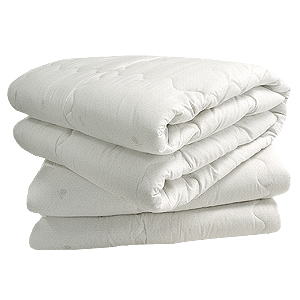
寢具太籠統,我們還有被,床罩,床單,枕頭,枕頭套等等。譬如被(子),英文叫cover,coverlet,comforter,blanket,quilt。印象中,blanket常用於毯(子)/被(子),為什麼又有cover,coverlet,comforter,duvet,quilt這麼多名字。因為blanket也是統稱。
毯(子)讓人聯想到阿拉伯人和波斯人的毯(子)。阿富汗有一種叫阿富汗的通花毯(子)(Afghan)。蒙古人的則簡單的mongolian quilt表達。
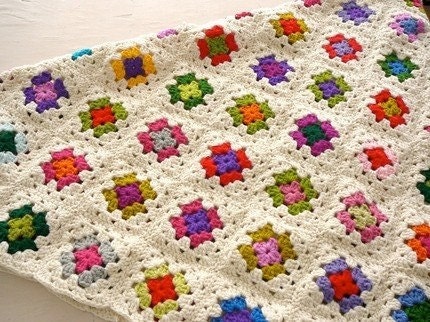
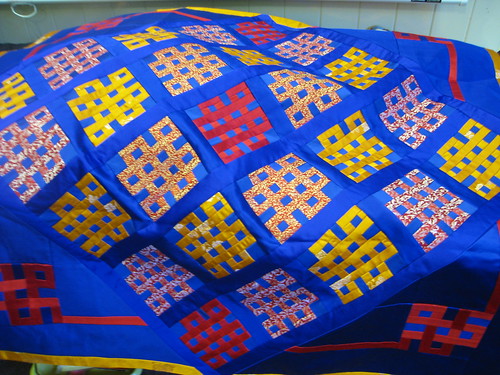
Coverlet是床罩,來罩著棉被,保護棉被,而棉被則是Comforter,這當然不是安慰劑。不想混淆,可用Quilt,它一般都指有棉絮作餡兒的被(子)。Duvet就是我們所說的羽絨被。聽起來不像英文,因為它來自法國,代表鵝羽下的絨毛。
香港人常用的冷氣被,英文名字就是什麼?當然不是Air Conditioner Quilt,而是因為夏天才用,所以稱呼為Summer Quilt。
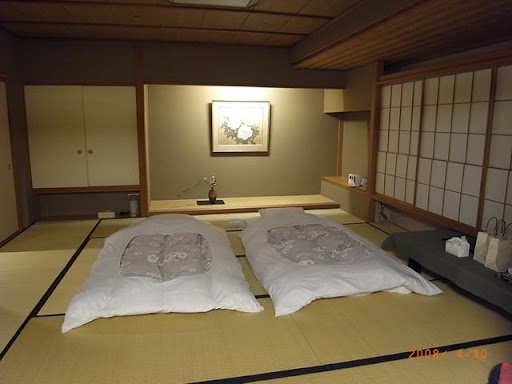
被(子)下的床單就是bed sheet。它包著床褥/床墊-mattress。床墊讓人想起tatami。日本寢具的特色就是布藝/布團(布団(ふとん)futon)。

人最重要的頭部需要枕頭(pillow)承托。我總覺得中國古代的磁枕太硬,西方現代的比較舒服。那麼攬枕/枕墊?bolster!

看來看去,中國古代不注重寢具嗎?起碼,為了安睡,會製作香囊-sachet。

訂閱:
文章 (Atom)